Sustainable Seafood Buying Guide
Overfishing is a serious problem threatening our oceans. It leads to biodiversity loss, habitat destruction, and the accidental capture of marine animals like turtles, birds, and mammals. Overfishing happens when we take too many fish too quickly, making it hard for fish populations to recover. This also puts future fishing industries at risk.
By choosing sustainable seafood, we can help protect marine life and ensure seafood is available for generations to come.
What is Sustainable Seafood?
When we talk about seafood being sustainable, it all revolves around the harvesting methods. Ocean Wise recommends both farmed and wild seafood options that follow these criteria:
- Harvesting that ensures healthy and resilient stocks and populations.
- Effective and adaptive management.
- Limited negative impacts on habitats and other species.
How to Choose Sustainable Seafood
Use the Ocean Wise Seafood Program
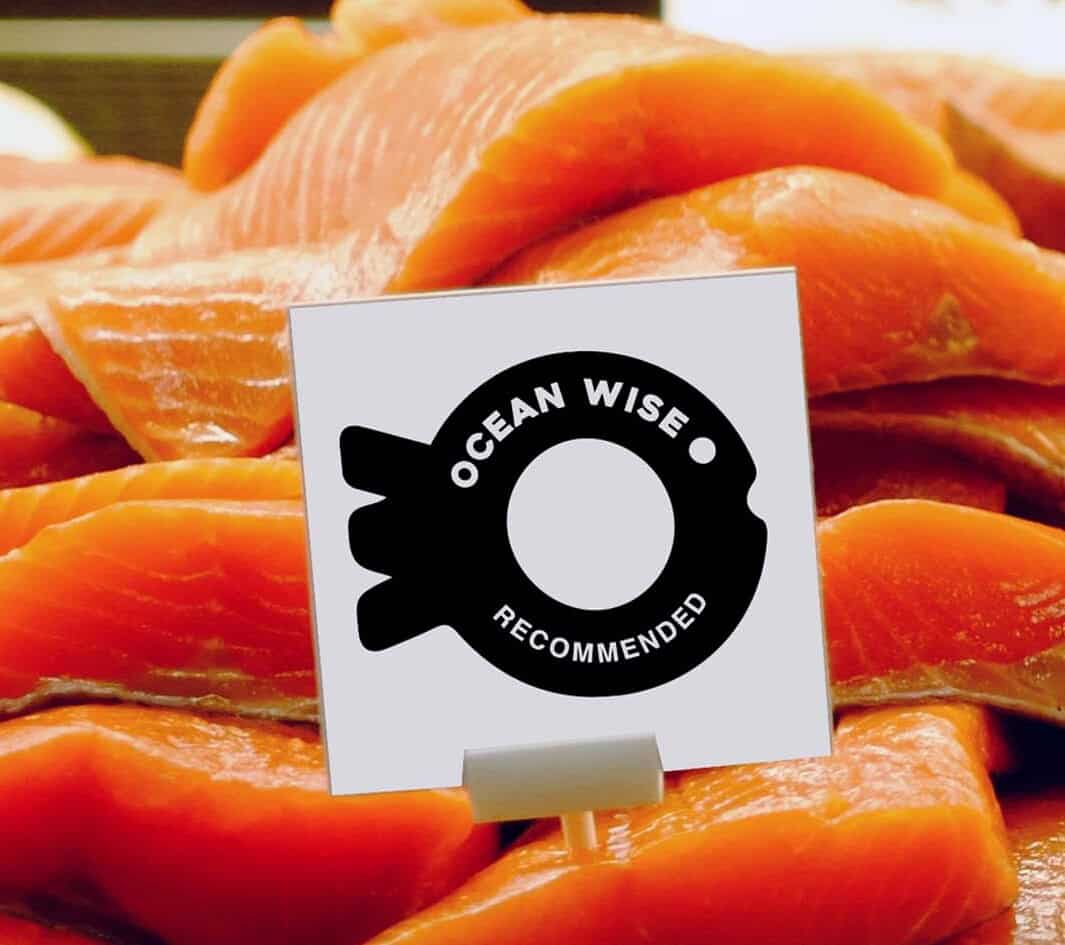
Ocean Wise makes it simple to find sustainable options. Look for the Ocean Wise logo on seafood packaging or menus. This symbol means the seafood meets Ocean Wise’s sustainability standards.
Search the Ocean Wise Database
Check if a seafood item is sustainable by using Ocean Wise’s easy online database. Just search to see if it’s marked as “Recommended” or “Not Recommended.”
Search the Ocean Wise Database
Where to Buy Sustainable Seafood
Find Ocean Wise Partners
Ocean Wise works with restaurants, retailers, and markets to offer sustainable seafood. Use their partner map to locate places near you that sell Ocean Wise Recommended products.
Explore the Ocean Wise Partner Map
Look for the Ocean Wise Logo at Sobeys
Sobeys has partnered with the Ocean Wise Seafood Program. Sobeys carries a wide range of Ocean Wise Recommended seafood. Just look for the Ocean Wise logo on packaging or shelf tags to ensure you’re buying from sustainable sources.
Buy Local Seafood
Locally caught seafood isn’t always labeled as “sustainable” due to the challenges of collecting the extensive data required for sustainability assessments. This can disadvantage small-scale fisheries, including many Indigenous fisheries, which often lack access to the same markets as larger operations.
Indigenous fisheries are likely among the most sustainable in the country, if not the world. However, global sustainability rating programs often exclude them because these programs rely heavily on Western science-based data, overlooking traditional knowledge and practices.
About Ocean Wise
Ocean Wise is a global organization dedicated to protecting and restoring our oceans. Their programs make it easy for individuals and businesses to take meaningful action.
Learn More About Ocean Wise: https://ocean.org/
 Mijipjewey Ta'n Wejiaq Apaqtuk